Graphic Design
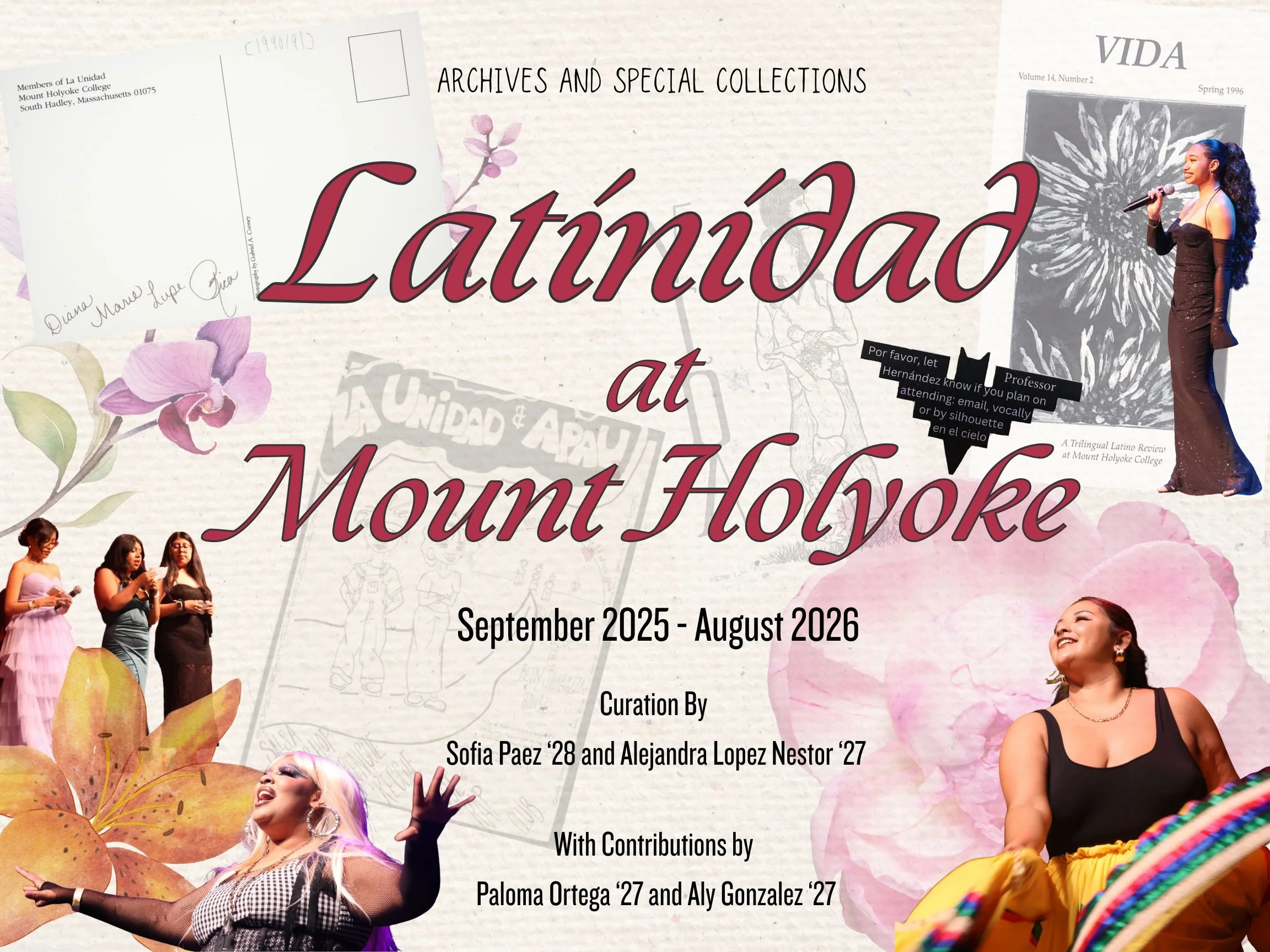
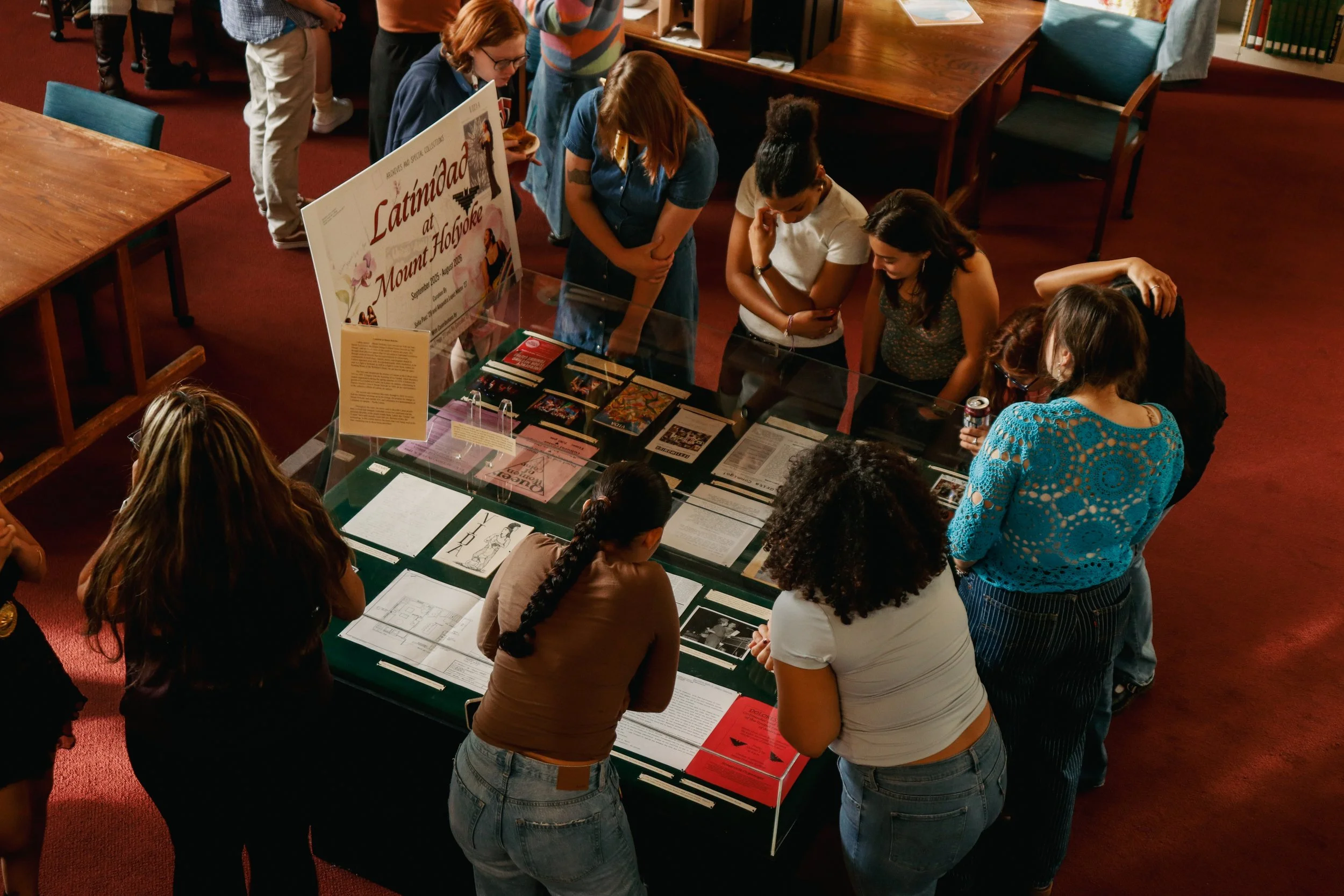
“Latine spaces at Mount Holyoke were carved out with our bare hands. La Unidad, the Eliana Ortega Cultural House known as “the Ortega”, and Mi Gente were all the result of intense advocacy. It’s through these physical spaces that we can analyze Latínídad’s existence through archival records, but the conversations in classrooms, communions in meal times, dances, music, and laughter shared by Latines represent us as well. In a predominantly white institution, to be seen is a fight to be heard, as well as a fight to exist. Here, within the Reading Room of the Williston Library, we are here to take up space.
Latínídad at Mount Holyoke is the result of an archival project started by La Unidad documenting the history of Latine students on campus. While searching through archives, we noticed inconsistencies and unsettling gaps of information pertaining to our presence, especially within the last two decades. To combat this, the exhibition weaves in archival materials from both the Mount Holyoke College Archives and Special Collections and from the Eliana Ortega Cultural House, where scrapbooks, journals, and photographs of La Unidad are preserved. Together, they trace the story of our existence on campus.”
This exhibit was curated by Alejandra Lopez Nestor ‘27 and Sofia Paez ‘28, with contributions from Aly Gonzalez ‘27 and Paloma Ortega ‘27. Online adaptation by Tracey Kry ‘04, Digital Collections Archivist.
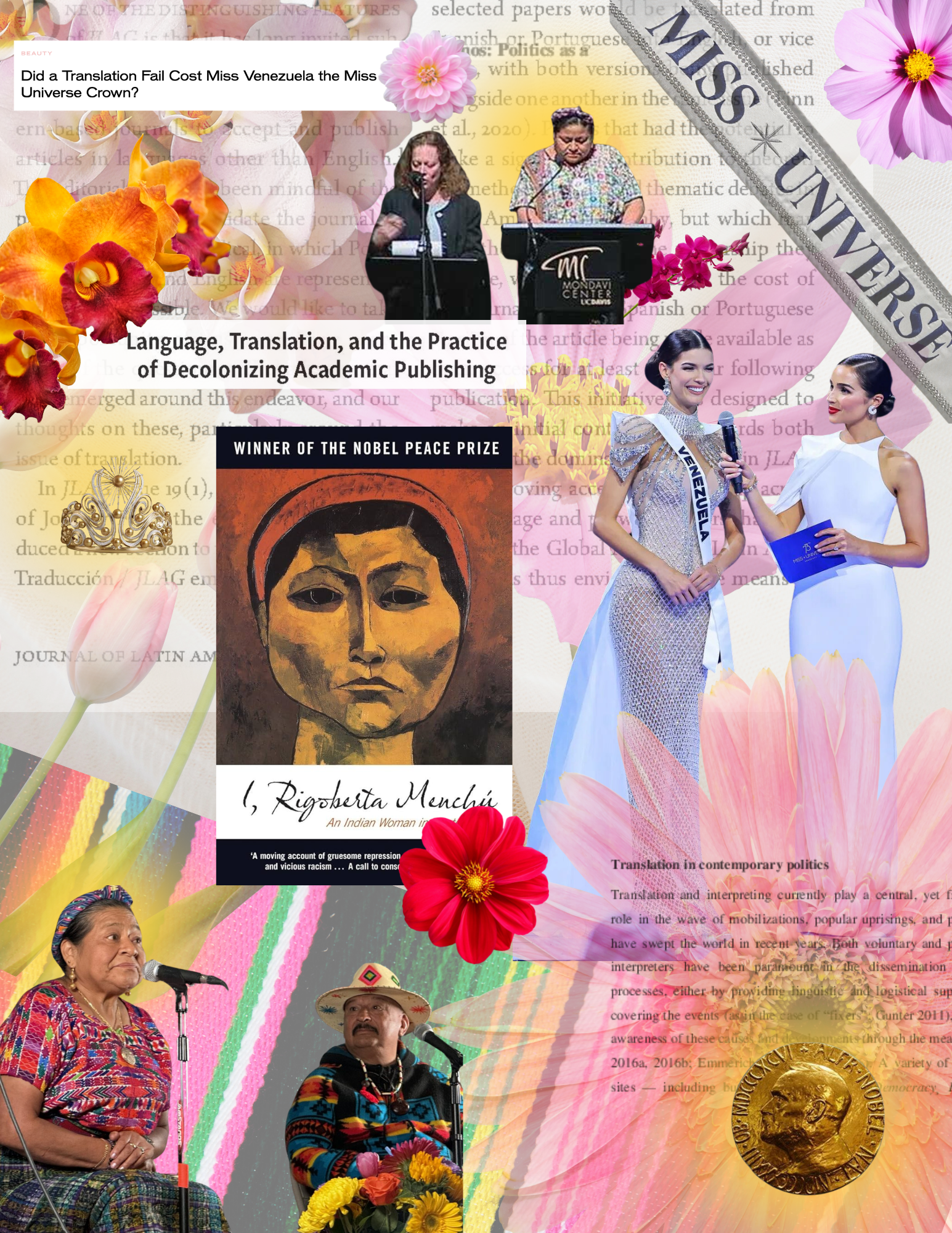
The negative perception surrounding women who wear sashes and crowns, and are a part of beauty pageants, is stigmatized and spoken of with misogynistic undertones. Their intelligence, social, and political power are diminished, and women are wrongly condemned to ‘bimbofication’.
This is undeniably true for Latina women who are confronted with ideas of Americanization, often needing to pioneer themselves to change beauty standards. Their existence and success in the beauty pageant system have led Latina women to a place of power and the ability to gain upward mobility. I believe that Latinas' expression of agency in pageants is a way to show cultural belonging in a Eurocentric nation and provide a different version of what an American is.
From presidential candidacy to social activism, former pageant winners have gone on to change the fabric of civil liberties. Though their existence is disregarded, women in these positions have the potential to be incredibly influential. Latinas change the Eurocentric beauty standards in pageants, which have been historically exclusionary for women of color. Latinas continue to struggle to compete in pageants and face racial remarks as they contradict white American ideals, but they continue to show up with resilience. Women in these positions are often disregarded, but the power and title they hold carry an immense amount of influence in political, social, and cultural spheres. Women's intelligence and social influence are degraded through the way they are portrayed in beauty pageants, and their intelligence and humanity are simmered down to mere looks. Women have been vilified by the patriarchal society we live in, and the goal of the Zine is to destigmatize women in pageants, not the pageants themselves, with support from digital collections, news sources, and academic journal articles.
Latinx Cultural History: “Latina Beauty Queens” (2024)
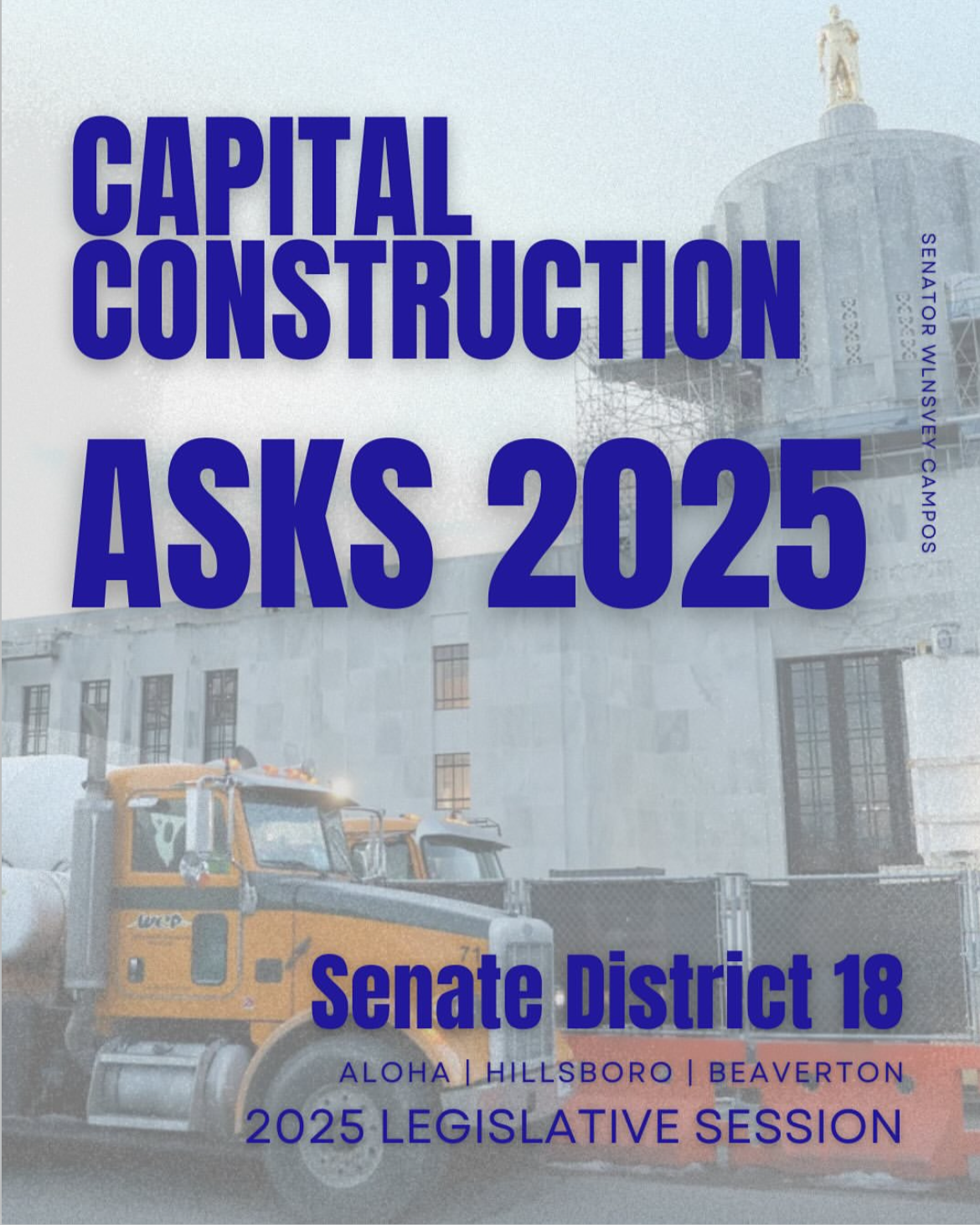
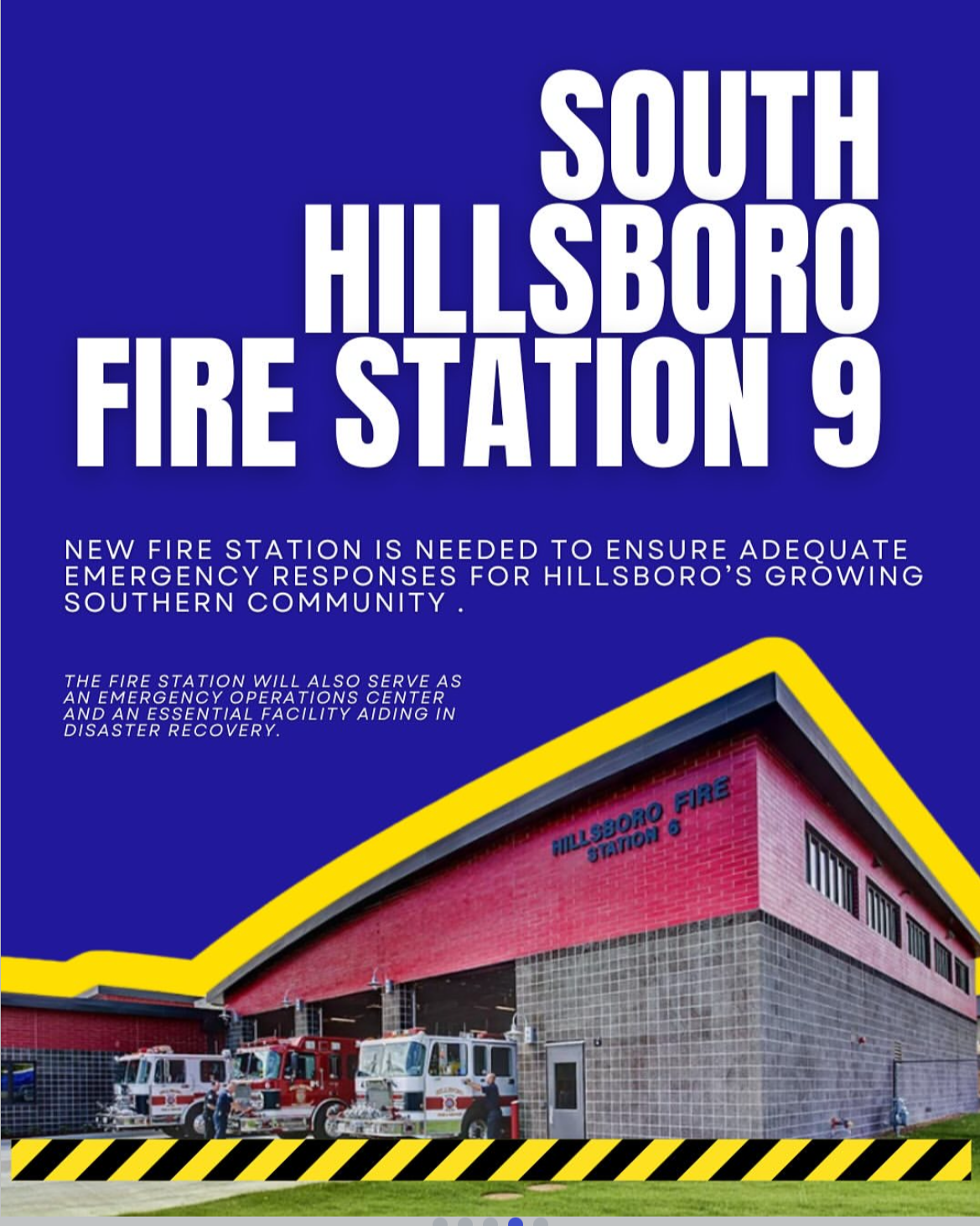
Social Media, Flyers, & Infographics





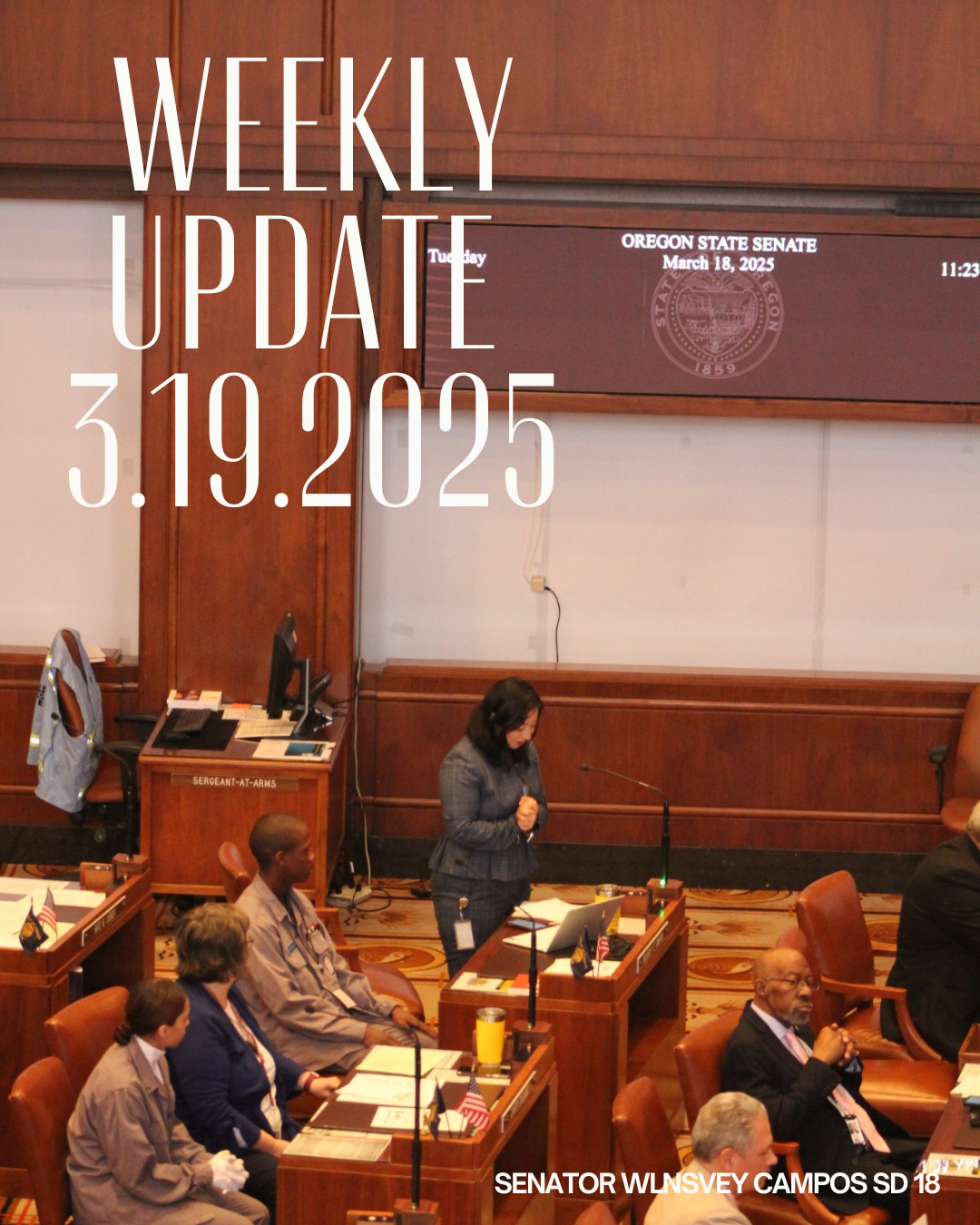
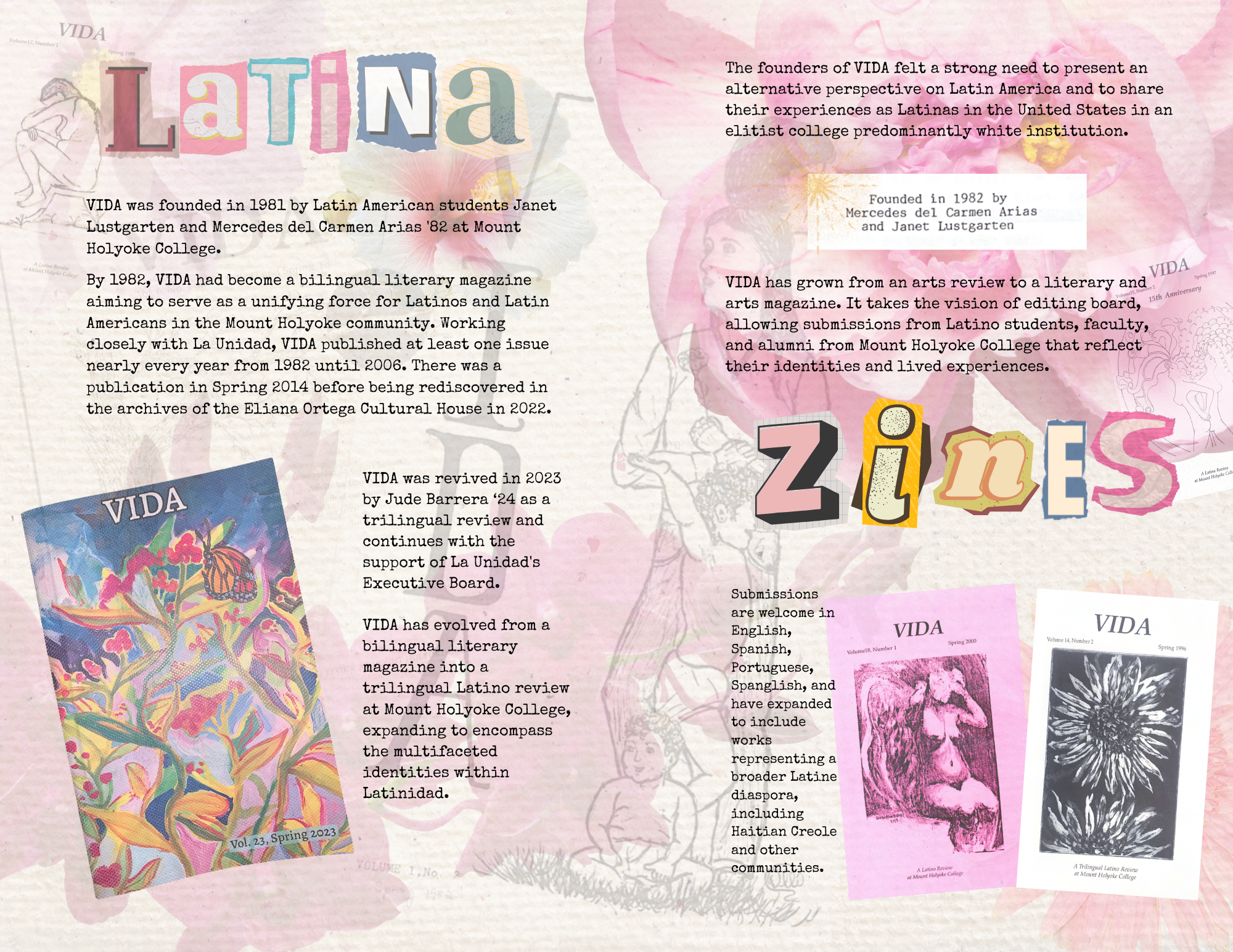

Al Wright Alumni Update (2025)
In 2022, I was a recipient of the Albert Lee Wright Jr. Memorial Migrant Scholarship. Since then, I have gone on to give updates either in video form or in person at the National Migrant Education Conference. This magazine highlights scholarship recipients from 2022, 2023, and 2024.
The Albert Lee Wright Jr. Memorial Migrant Scholarship is awarded each year by the National Association of State Directors for Migrant Education (NASDME). This scholarship is awarded to graduating migratory high school seniors and supports them in pursuing a college education. This scholarship is named after a dedicated advocate for migratory students, and this scholarship is intended to support migratory agricultural or fishing students.
I hope you enjoy reading this magazine and seeing the wonderful things alumni have been up to.
Representing Race Final: The Significance of Regional Mexican Music in Academic Spheres (2024)
I designed a magazine that explored the impact of Regional Mexican music in academic spheres. From community spaces, individual essence, and academia. Corridos, a genre of Regional Mexican music, has often been used as a means of political activism. I highlighted the most recent election and the creation of songs written to get out the vote in the broader Latine community in the United States.
In this project, I drew from my personal experiences, from listening to corridos while I study, Jenny Rivera playing at the Blanchard Dining Commons through Rockbot, and how the music one grew up with can help ground students at elitist, predominantly white institutions. I will bring light to old and modern Mexican music in academic spaces and their respective impact on the current political climate.
There are a multitude of subgenres under regional Mexican music. I want to examine the breakthrough of Mexican artists such as Peso Pluma, Ivan Cornejo, and even Los Tigres del Norte in the mainstream American Music industry. I followed how artists such as Becky G. were able to successfully transition from hit songs like “Shower” to releasing a second Regional Mexican Album, which debuted on the Billboard.
I included references from Mexican-American pop culture throughout the magazine to build a sense of unity and internal joy for those who understand. I want to bring an early 2000s look to this magazine, including chisme, interactive elements, and even style evolutions.